
Web platforms and custom software for operations
Web platforms and custom software for operations businesses in Next.js on Supabase and Node: the systems our AI runs on. An engineering practice since 2014.
Call it. An AI answers. That's the demo.
Number coming soon
Verify us
- GitHub: Link coming soon
- Clutch: Link coming soon
- Google reviews: Link coming soon
- Crunchbase: Link coming soon
- Press: Link coming soon
What it does
Plainbuilt builds web platforms and custom software for operations businesses: the system that runs the jobs, the crews, the quotes, and the customers, in Next.js on Supabase, Postgres, Node, and Twilio, wired into what you already run. An engineering practice since 2014 with 200+ shipped projects; we build the systems our AI runs on.
It replaces the spreadsheets, the group texts, and the whiteboard with one system the whole operation works in: an ops platform that holds the jobs, the crews, the schedule, the quotes, and the customer record, on the web, on every device. Our own flagship, the ops platform for contractors, is a web platform we built for a working contractor and now offer as a product.
Every platform is built in the stack we ship in: Next.js for the web app, Supabase and Postgres for the data, Node for the services behind it, and Twilio for calls and texts. It is wired into the systems your operation already runs on, ServiceTitan for jobs or HubSpot for the pipeline, so nothing gets typed twice.
A build runs discovery, spec, build, ship, support. The working session opens discovery; the spec is the build plan; the platform ships into the live operation; and we keep it running after that. Every deployment carries a written ROI commitment, and a custom build is no exception.
Media pending
What it is wired into
- Next.js
- The web app itself is built in Next.js.
- Supabase/Postgres
- The platform's data lives in Postgres on Supabase.
- Node
- The services behind the platform run on Node.
- Twilio
- Calls and texts from the platform go through Twilio.
- ServiceTitan
- Wired into ServiceTitan when that is where your jobs live.
- HubSpot
- Wired into HubSpot when that is where your pipeline lives.
How a build runs
Timeline set in the working session
- 1
Discovery
We start with the operation, not the software: the work that runs through spreadsheets, group texts, and one person's memory today. The 30-minute working session opens discovery.
- 2
Spec
We write down what gets built: the workflows, what the platform is wired into, and the number the written ROI commitment measures. The spec is the build plan.
- 3
Build
We build in Next.js on Supabase, Postgres, and Node, wired into the systems you already run.
- 4
Ship
The platform ships into your live operation and runs with real traffic and the people who will work in it.
- 5
Support
We keep the platform running after it ships: fixes, updates, and the next features when you want them.
What we measure
- Agreed in the build plan
Every deployment carries a written ROI commitment.
Recent work
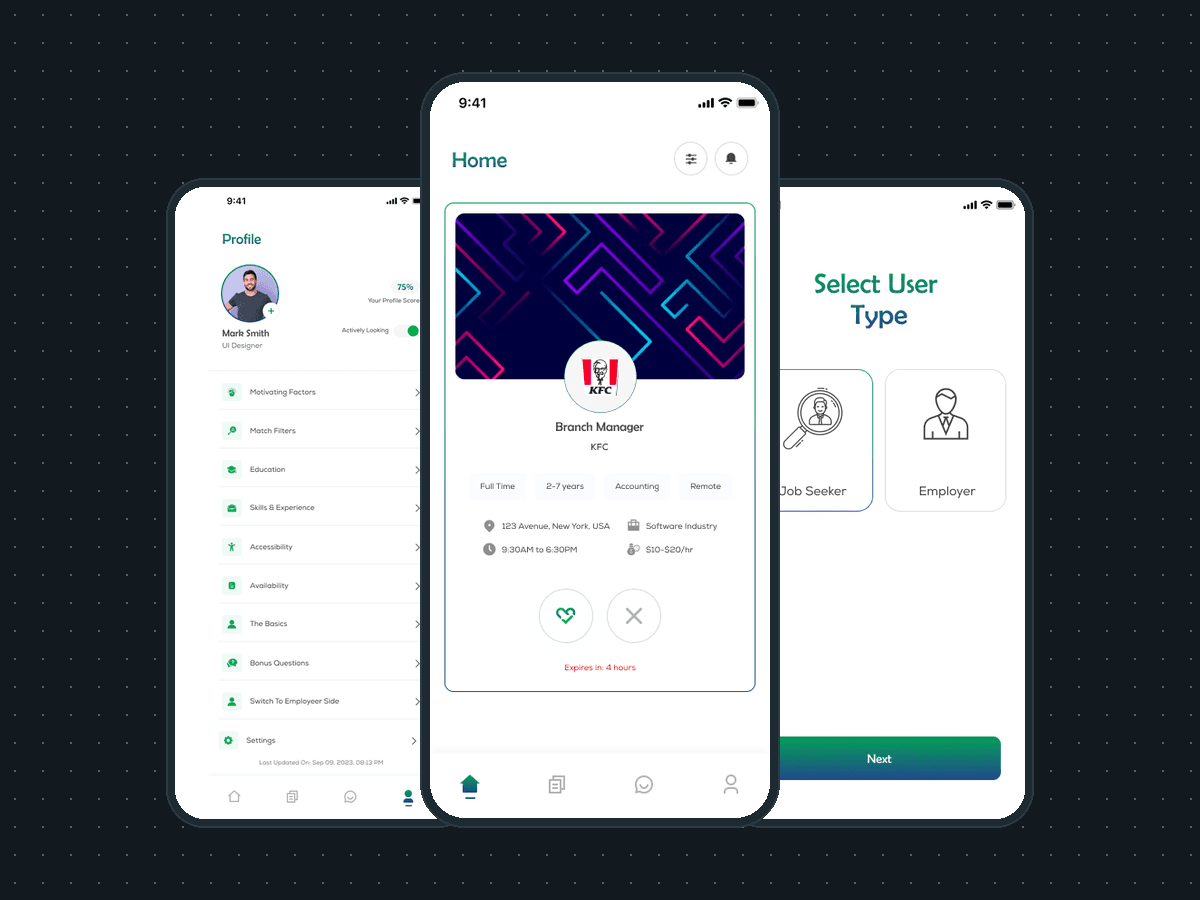
Mobile app development, Web platform development
Empmatch: a job-matching app with two sides
A two-sided job-matching app: 66 screens for job seekers and employers on phone and desktop web, designed and built full stack in under 6 months.
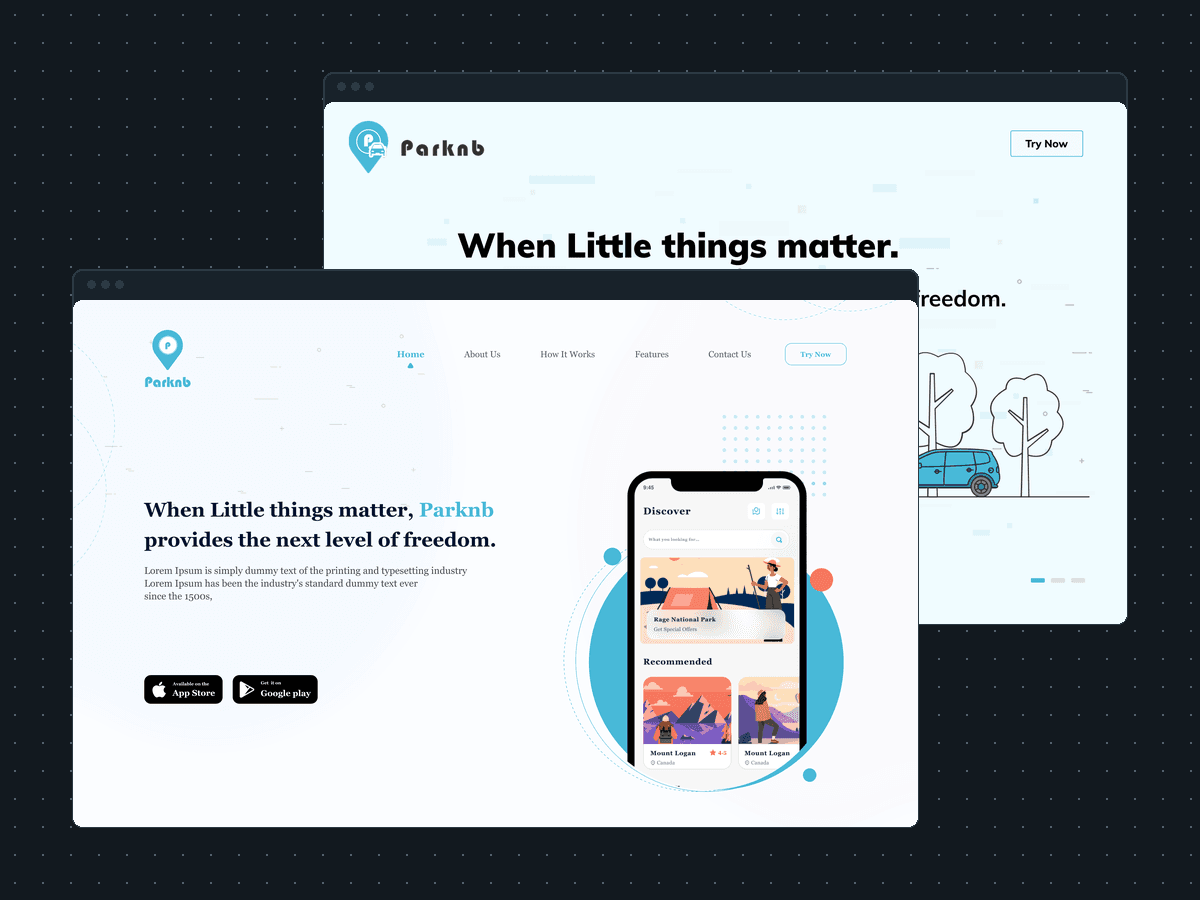
Website development for service businesses, Web platform development
Parknb: a landing page for a booking app
Website design for Parknb, a booking app: the hero in 3 directions with the app on a phone, 8 numbered features, 9 how-it-works steps and a contact form.
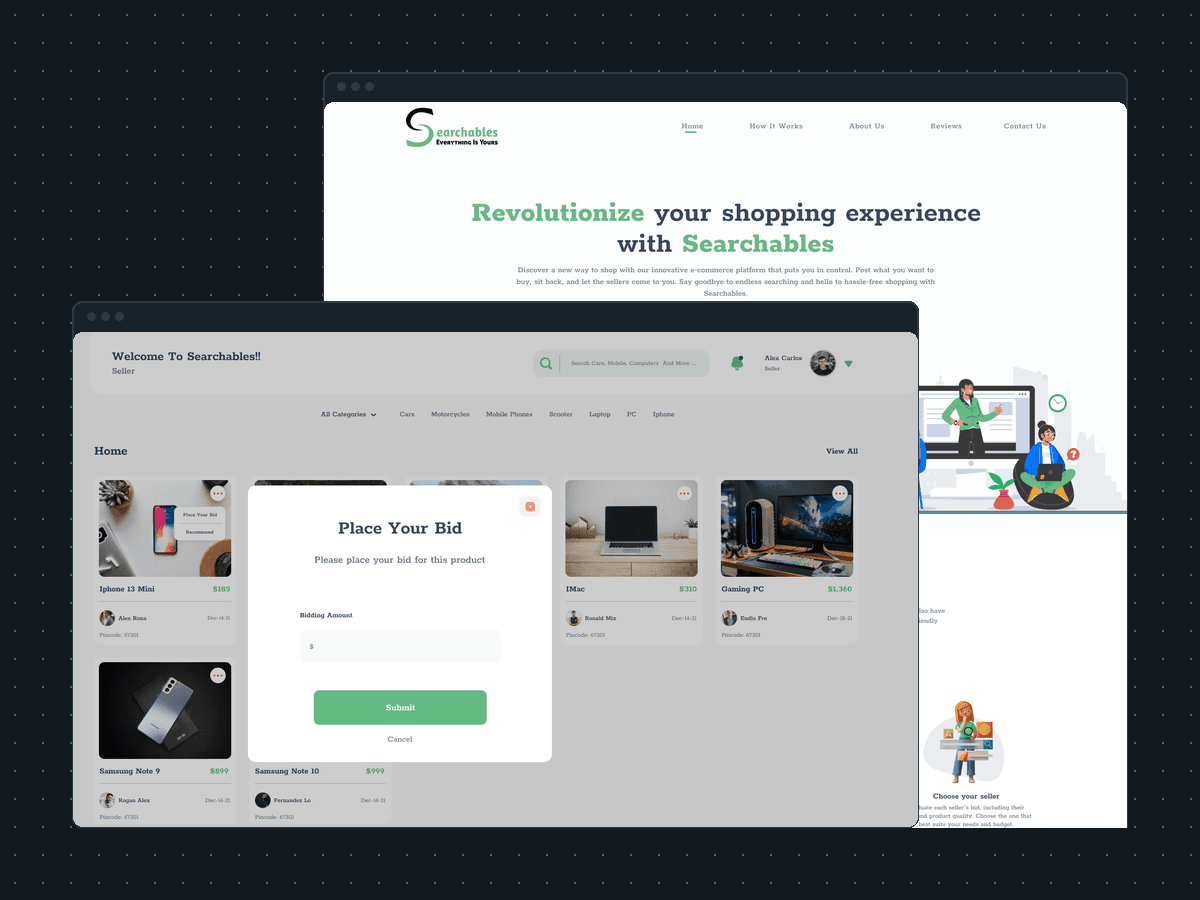
Web platform development
Searchables: buyers post what they want, sellers bid
Web app development for Searchables, a reverse marketplace: 24 screens, a buyer and a seller dashboard, bidding, offers and chat, built in under 6 months.
Industry versions
How pricing works
Pricing on request
Common questions
Who owns the code when the platform ships?
Named in the build plan
What is the platform built in?
Next.js for the web app, Supabase and Postgres for the data, Node for the services behind it, and Twilio for calls and texts. It is the stack we ship everything in, the same one our own AI systems run on. This site is built in it.
How does the working session turn into a build plan?
A build runs in five steps: discovery, spec, build, ship, support. The 30-minute working session opens discovery: what the platform has to do, who works in it, and what it is wired into. The spec that follows is the build plan: what gets built, in what order, and the number the written ROI commitment measures. Timeline set in the working session
Does the written ROI commitment apply to a web platform?
Yes. Every deployment carries a written ROI commitment, and a custom build is a deployment. The spec names the number the platform is built to move, and that number is what we measure after it ships. Agreed in the build plan